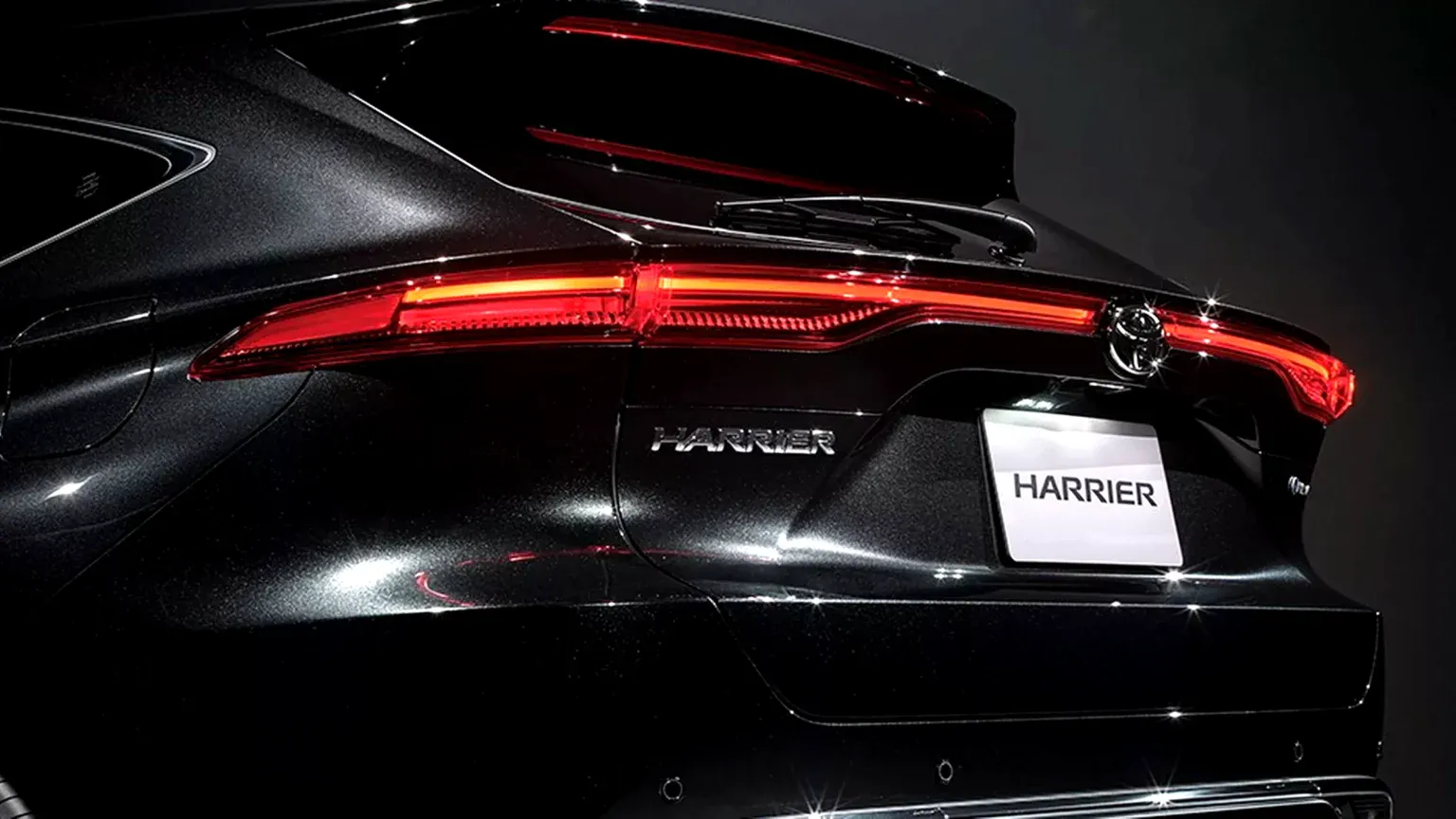
Toyota is keeping the Venza spirit alive in Japan with a refreshed 2027 Harrier featuring a hybrid-only powertrain and new standard power outlets.
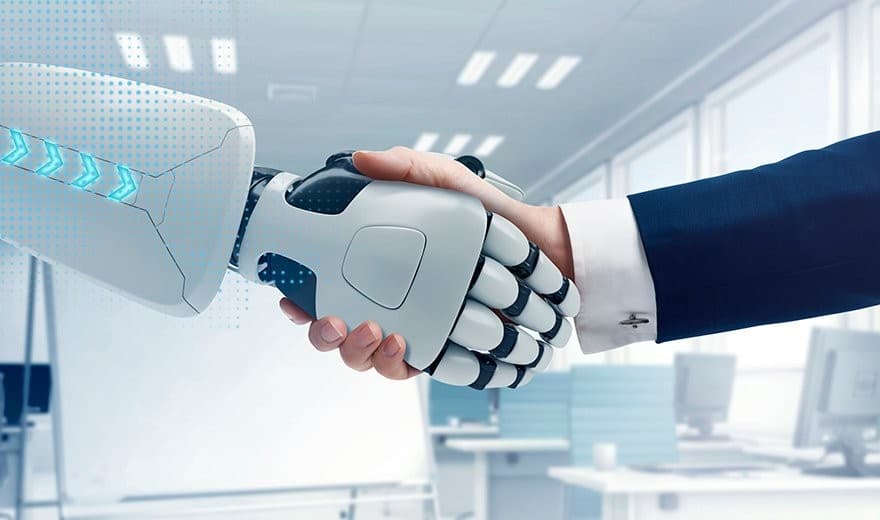
Economist Steve Hanke argues that AI will not destroy most jobs because the physical resources and computing power required make it far more expensive than human labor.

Apple has acquired PlasmaSolve, a materials science company specializing in plasma simulation software, to aid in manufacturing complex new hardware designs.
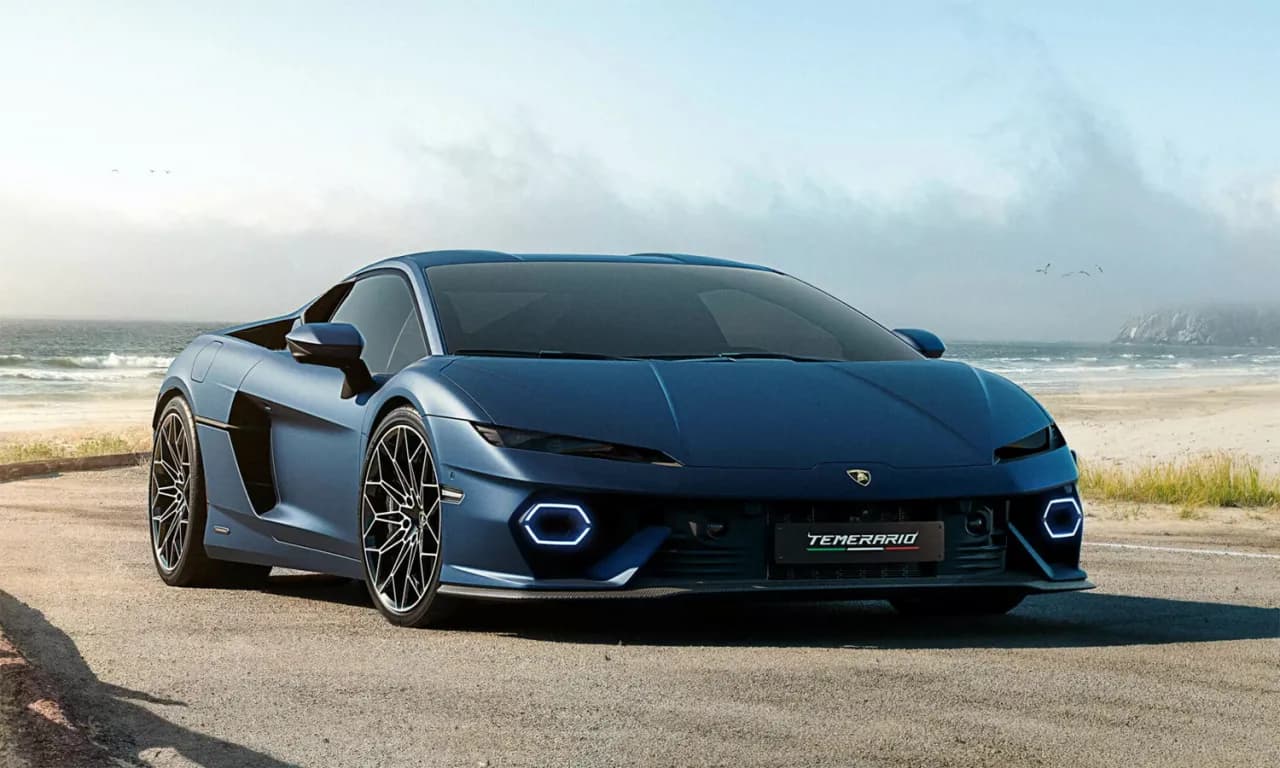
Lamborghini successfully navigated global tariffs and regional conflicts in H1 2026, generating €1.74 billion in revenue despite delivering fewer vehicles overall.

Discover the latest applications designed to cure doomscrolling by restricting screen time until specific physical activity and fitness goals are met.

Keychron has unveiled the Zephyr Gaming Mouse (ZGM) project, an open-source firmware designed to maximize peripheral performance and reduce latency for modern gaming mice.

Microsoft's CEO has confirmed the upcoming launch of a dedicated Copilot super app as the industry shifts toward unified applications.
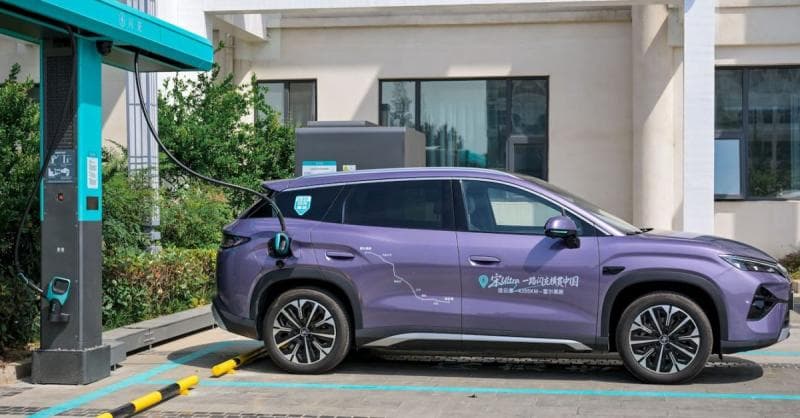
Hongqi has demonstrated a new electric vehicle battery capable of charging from 10% to 97% in just over eight minutes, utilizing a 12C peak rate and advanced thermal cooling.

Google has rolled out Lyria 3.5 in Google Flow Music, offering creators more emotional vocals and advanced controls over track tempo and duration.
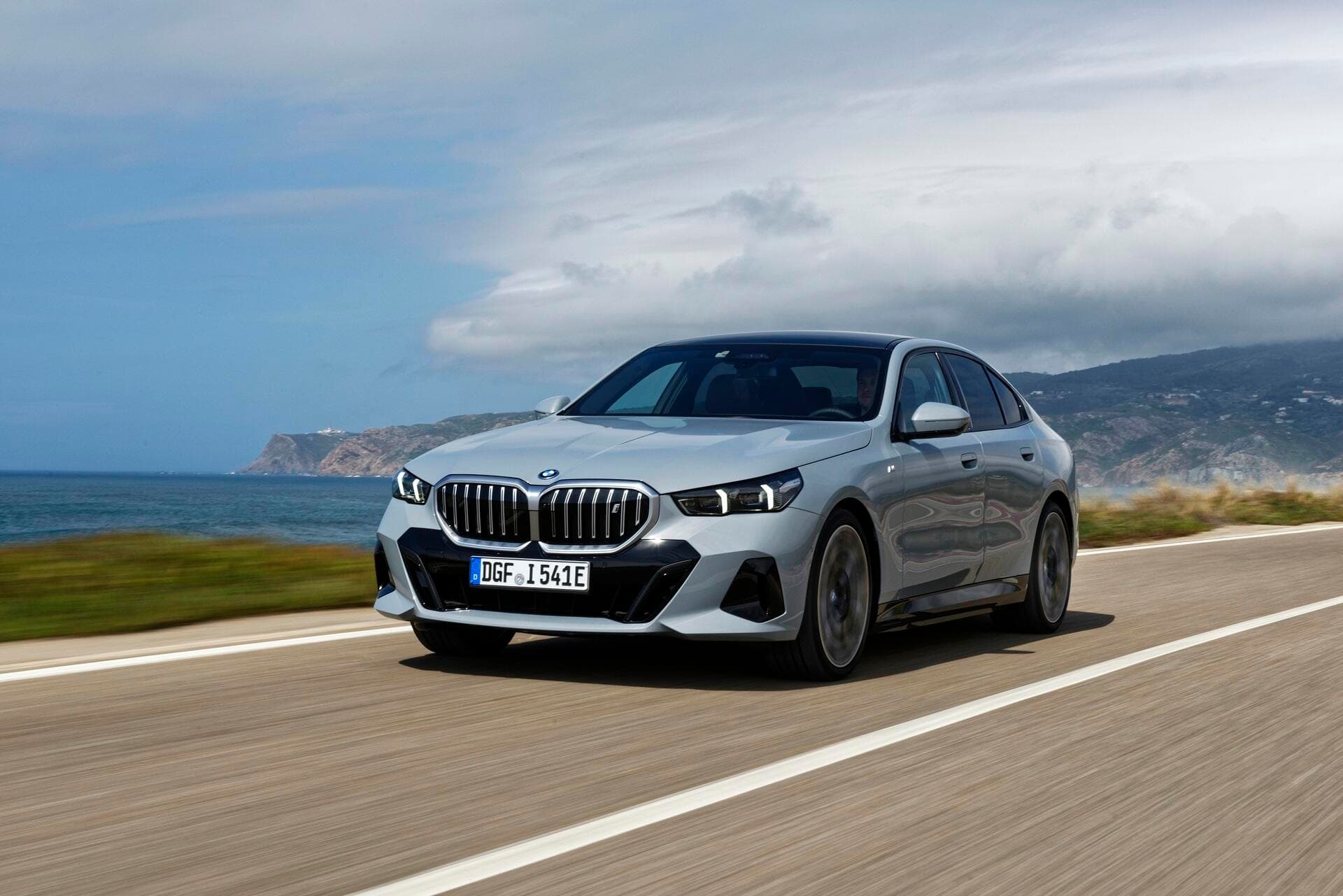
BMW plans to eliminate approximately 8,000 corporate jobs, primarily in Germany, relying on voluntary severance packages that completely exclude factory workers.

