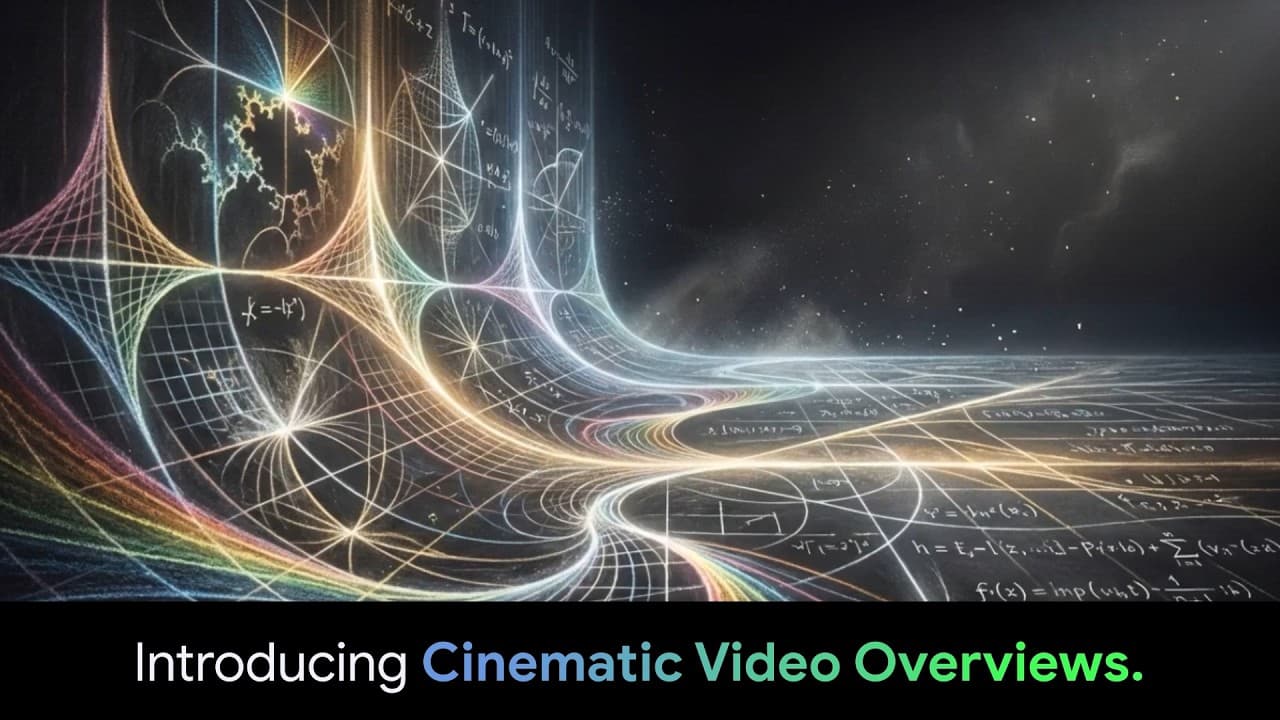
How the AI Stack Drives Cinematic Overviews
Instead of forcing users to storyboard, these advanced models autonomously map out the entire presentation. Google states that Gemini evaluates the source research to pinpoint the best narrative structure, visual style, and format for each video. The AI then actively refines its own output during the generation process to maintain visual and narrative consistency.
Usage Limits and Availability Constraints
The cinematic video overviews are live as of today, March 4, 2026, but launch with a few strict constraints:
-
Subscription Tier: Users must maintain an active Google AI Ultra subscription.
-
Demographics: The feature is restricted to English-language prompts and is strictly for users over 18.
-
Daily Caps: Accounts are limited to generating a maximum of 20 cinematic video overviews per day.
Part of Google’s Broader Video Strategy
The NotebookLM video upgrade is just the latest in a rapid succession of AI video rollouts from Google. Last month, in February 2026, the company upgraded its Veo AI video model and expanded access to Flow, a dedicated AI video generation tool for Workspace.
Google also recently demonstrated "Project Genie," a new AI world model and video generator. During hands-on demos, reporters used Project Genie to conjure short, playable slices of 2D platformers mimicking classic Nintendo games.
Instead of simply summarizing text, NotebookLM is now turning basic notes into a full-fledged production studio, signaling a future where the line between a traditional researcher and a video editor completely disappears.