
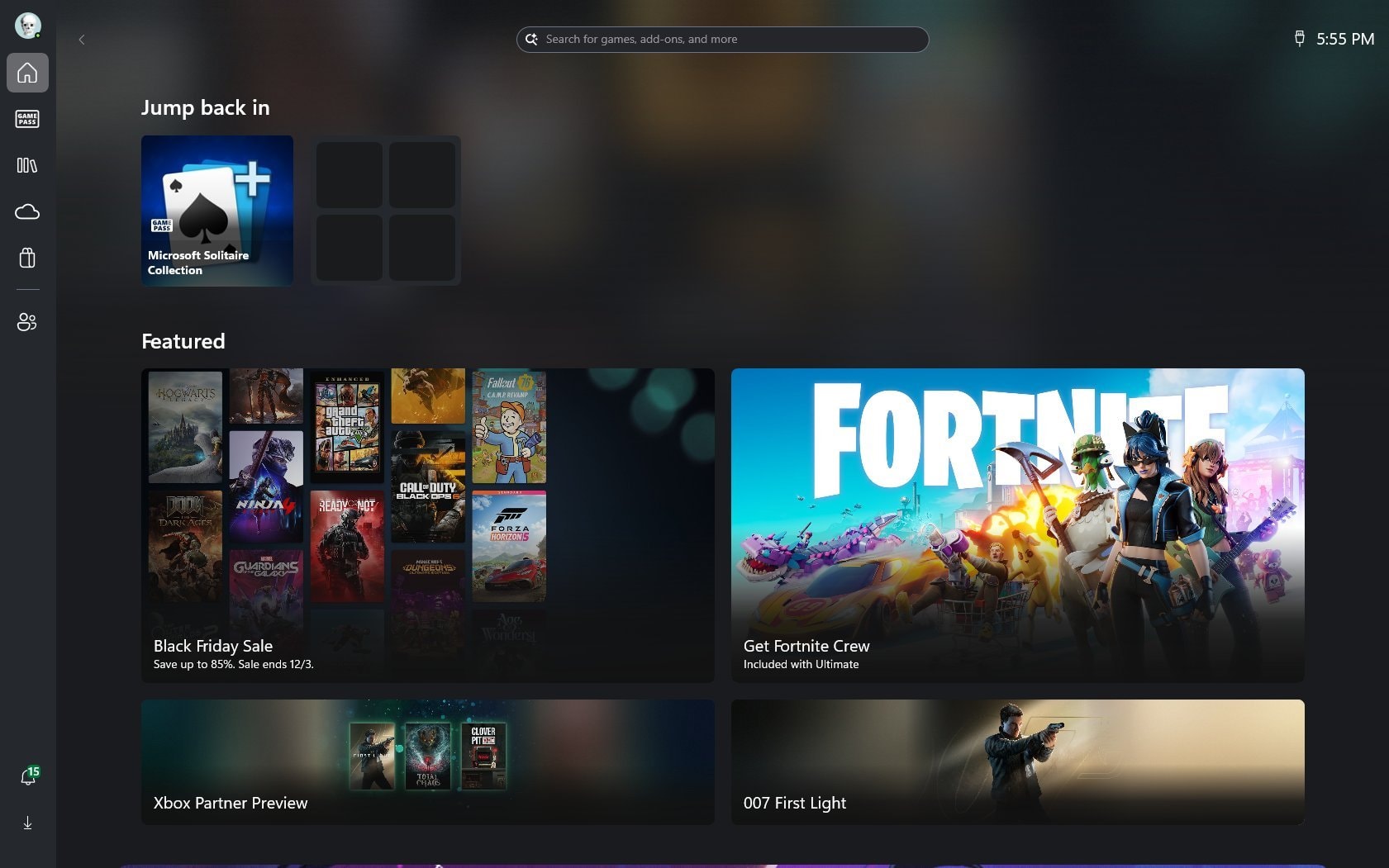
Windows 11 Gaming Set for 2026 Overhaul: AI Agents and the Fight Against Bloat
Windows 11 has a reputation for being heavy, and for PC gamers, that bulk is a liability. But if recent leaks and insider whispers surfacing in late 2025 are accurate, 2026 could be the year Microsoft finally trims the fat. The company appears to be pivoting from simple OS updates to a massive, AI-driven refresh aimed at solving the one thing gamers hate most: the endless tweaking of settings just to get a stable frame rate.
While Microsoft hasn't dropped an official press release to announce this shift, a pattern of patent filings and insider reports points to a major Windows 11 refresh in 2026, with gaming performance serving as the primary anchor.
AI Agents and the End of Manual Tuning
The most significant driver of this projected improvement is the integration of "AI agents." Following the industry-wide push for automation throughout 2025, reports suggest Microsoft is moving beyond passive assistants to active system managers capable of optimizing workflows in real-time.
Performance Leaks: Measuring the Impact
The promise of a "faster" Windows is backed by data surfacing from recent Windows Insider builds and leaked driver notes.
-
Frame Rate Boosts: Internal testing on build version 24H2 has reportedly shown potential 15-20% frame rate improvements in DirectX 12 titles. These gains are not magic; they are attributed to upcoming AI-optimized drivers that intelligently manage resource allocation, expected to mature by 2026.
-
Latency Reduction: Data analysis suggests that NPU-driven predictive rendering could reduce latency by up to 30% in cloud-integrated scenarios, addressing one of the biggest bottlenecks in remote play.
-
Load Times: Building on current tech, DirectStorage 2.0 implementations are projected to reduce load times by 40% using AI caching—a critical differentiator needed to keep pace with the instant-load architecture of modern consoles.
Hardware partners appear to be preparing for this shift. Roadmaps from NVIDIA and AMD hint that future iterations of DLSS and FSR will be designed to hook directly into these OS-level optimizations for seamless performance uplifts.
The "Hybrid Console" Pivot
Beyond raw frame rates, Microsoft is focused on making Windows feel less like a spreadsheet and more like a console. The company is under pressure: the rise of SteamOS and the explosion of handhelds like the Steam Deck have exposed Windows 11’s clumsiness on smaller screens and non-traditional form factors.
To counter this, Windows 11 is positioning itself as a "hybrid PC-console" ecosystem. Discussions on platforms like Reddit highlight a growing demand for an OS that can "rival consoles" in ease of use. By leveraging Azure expansions for lower-latency cloud gaming and deepening Game Pass integration, Microsoft aims to make the transition between a desktop environment and a gaming session invisible.
Market Projections and The Linux Threat
The stakes are real. Microsoft risks losing ground in the burgeoning handheld market unless Windows 11 becomes lighter and more responsive. Updated market projections estimate that Windows 11 needs to capture 62% of PC gaming installs by the end of 2026 to maintain developer prioritization over Vulkan and Linux-based alternatives.
Community sentiment is cautiously optimistic. Polls suggest that while gamers are ready for an upgrade—with 72% believing a refresh is necessary—there is lingering skepticism regarding privacy. Specifically, players are wary of AI agents monitoring gameplay data. However, with over a billion active devices, the foundation for a massive 2026 rollout is in place. If Microsoft can deliver performance without compromising privacy, this update could redefine the PC gaming standard.